Measuring Wellbeing in a Home
STRATEGY
RESEARCH
The Problem
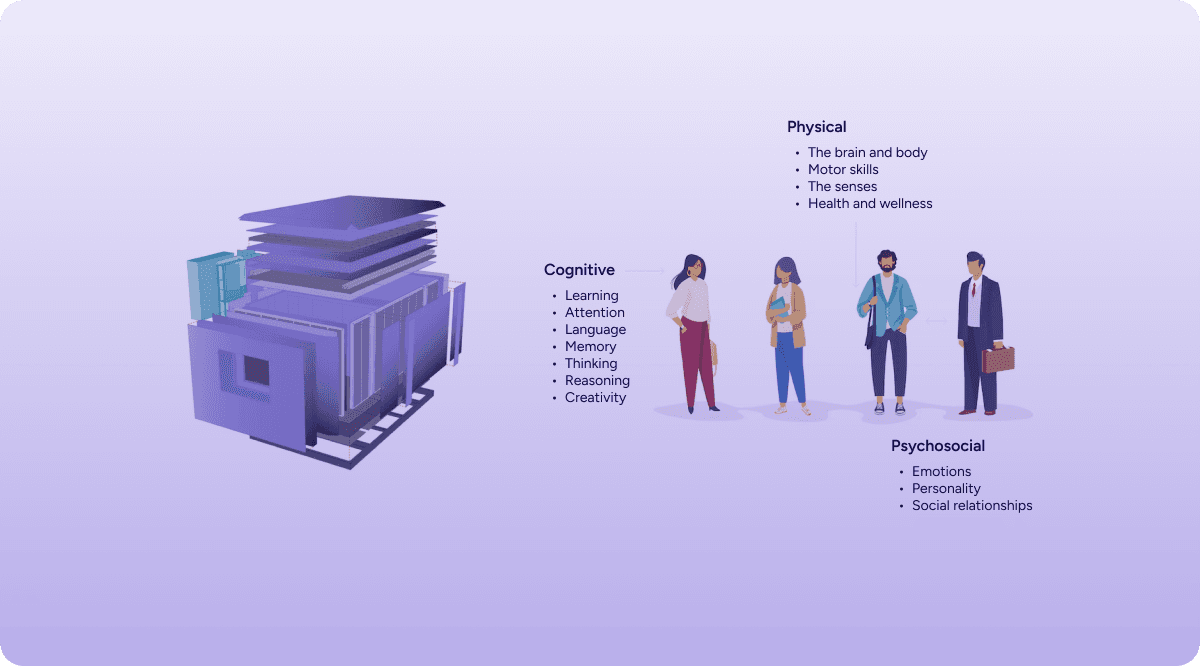
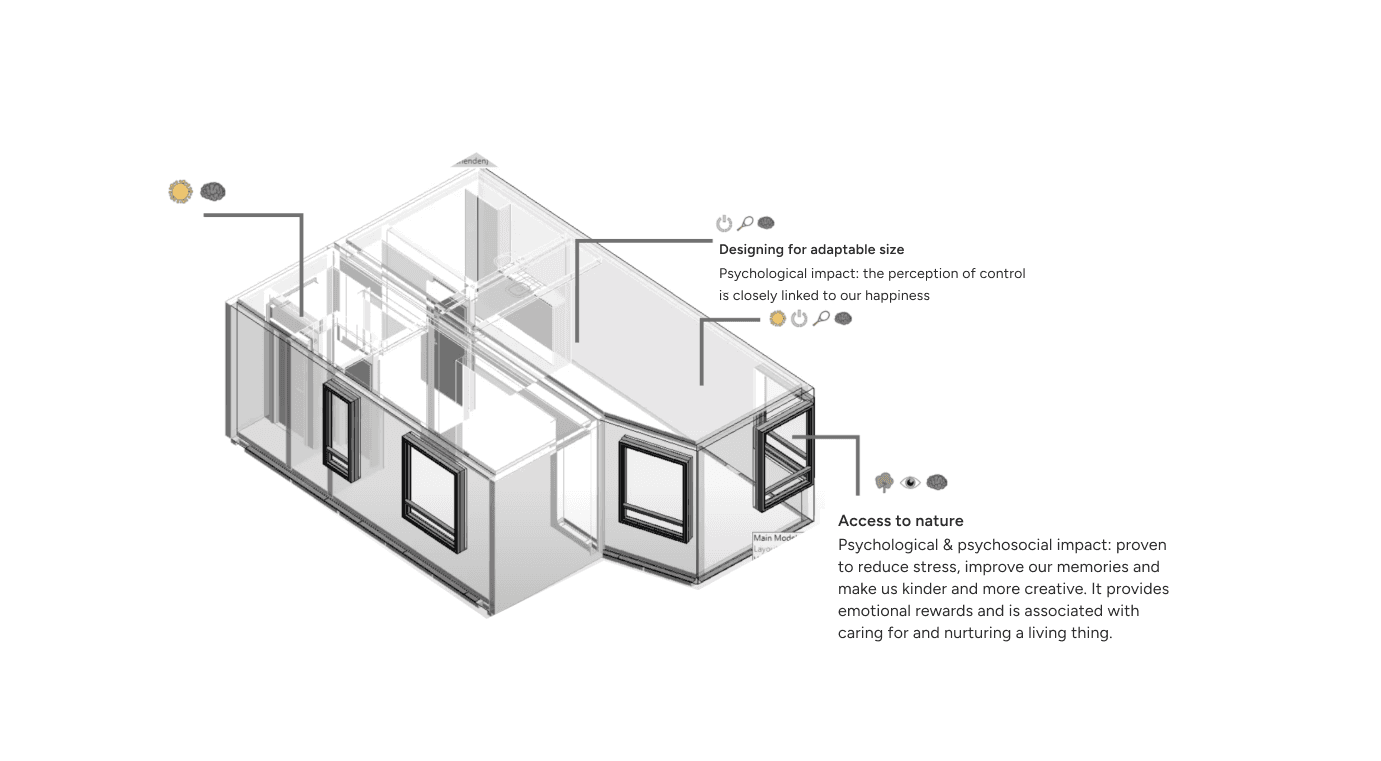
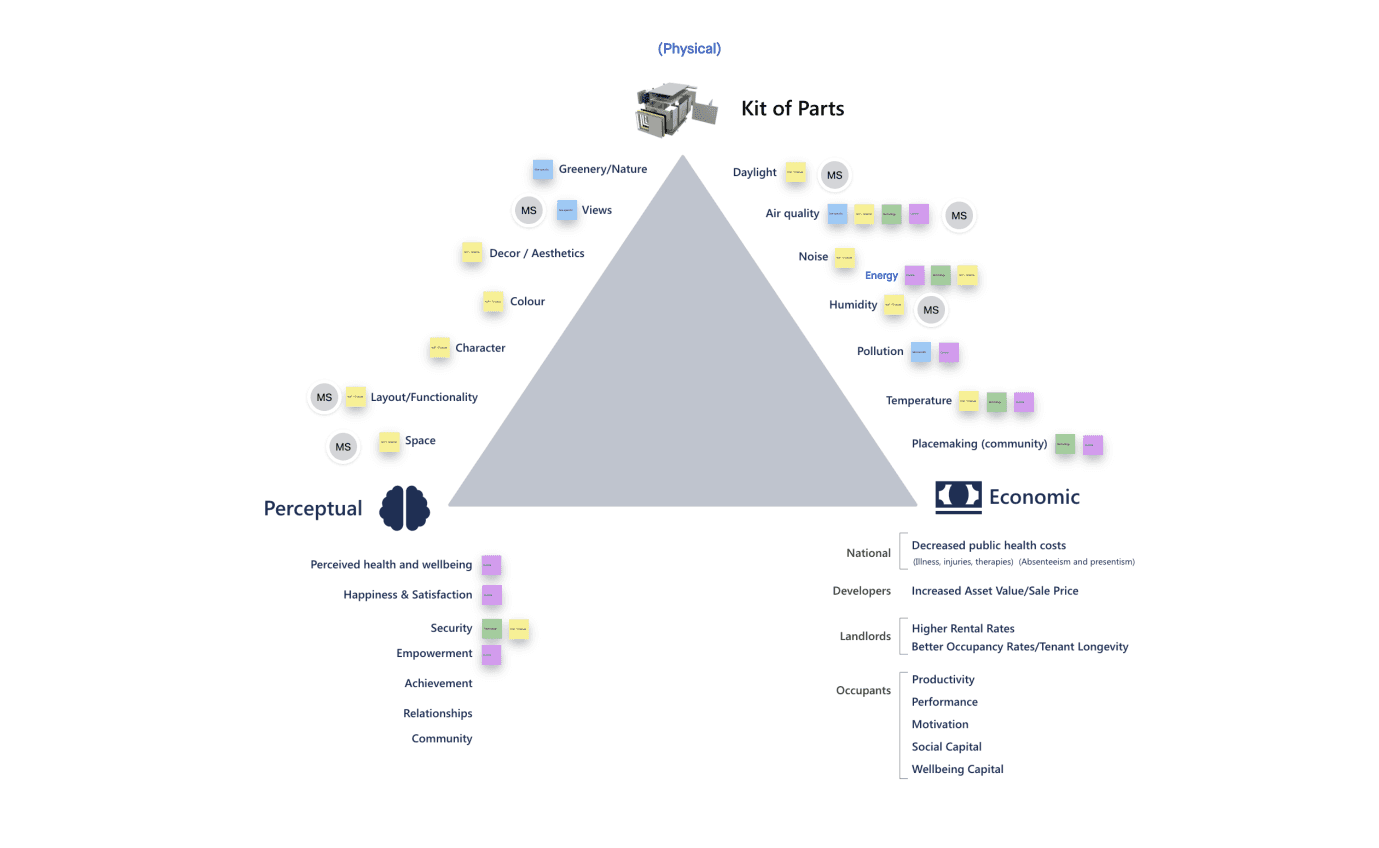
To measure wellbeing within a home, it's crucial to define and operationalise the concept. This includes identifying tangible metrics and indicators that encompass physical, emotional, and social aspects of wellbeing. For example, metrics might include indoor air quality, natural light, temperature control, and noise levels. Operationalisation could also involve using surveys and wearable technology to monitor residents' physical and emotional states. Modulous' physical arm of the business is a Kit of Parts. A Kit of Parts is similar to a IKEA pack - it is a set of materials used to create a product. In this case, 1-3 modules create an apartment, which can host 1-4 occupants. Knowing the makeup of these materials, we can measure it's wellbeing value.
Wellbeing elements within a home can be categorised in several ways, such as:
By Human Need: Group elements based on fundamental human needs like shelter, safety, comfort, social connection, and purposeful spaces.
By Cost: Categorise elements based on their cost implications, distinguishing between affordable features and premium options.
By Community Need: Consider community-specific needs and preferences, recognising that what promotes wellbeing can vary across different regions and cultures.
By Market (Demographic): Tailor wellbeing features to specific demographic segments, like families, seniors, or individuals with special requirements.
Take a look at my research notes
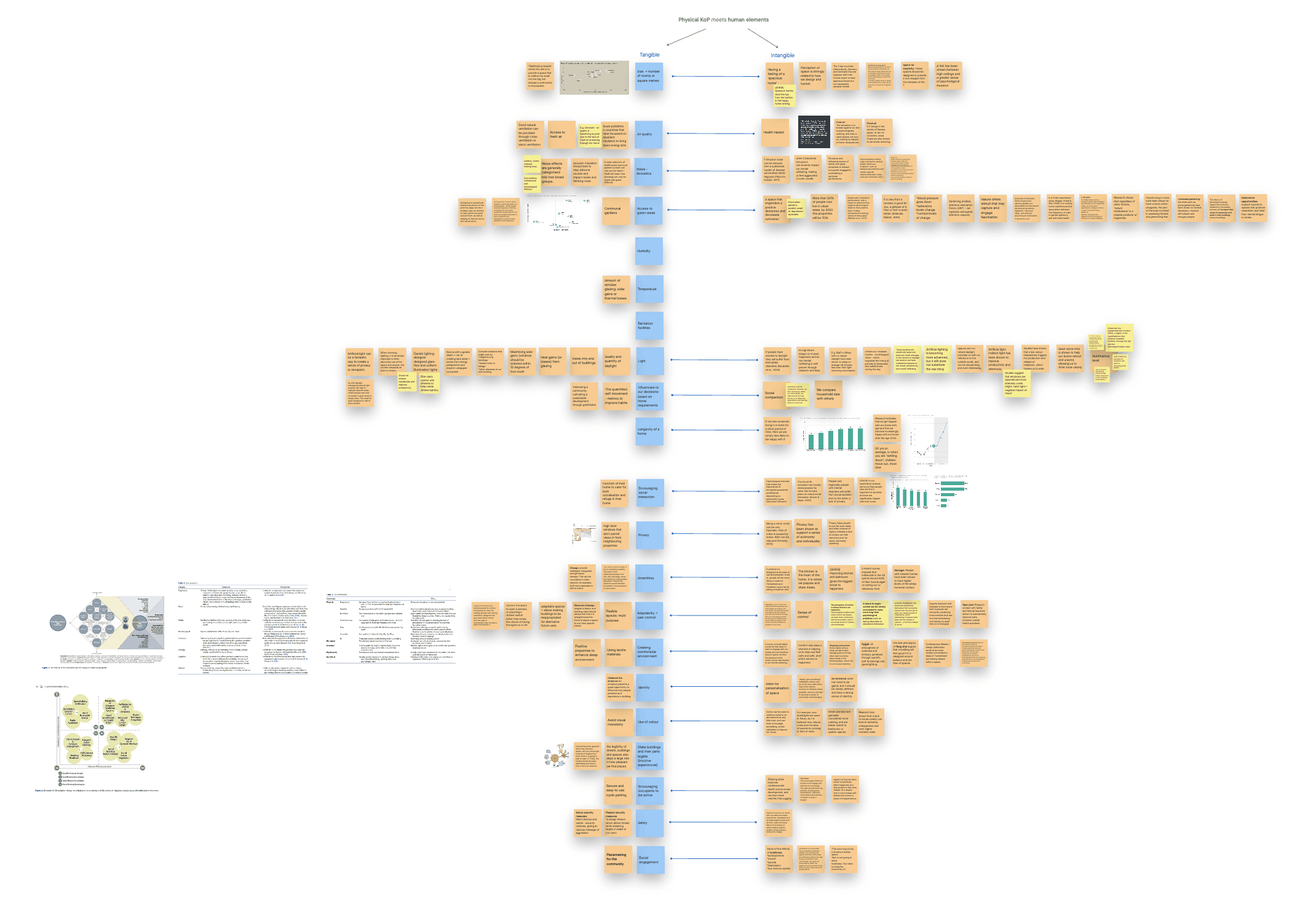
Coding: Intangible <> Tangible
I divided "tangible" (what we can apply to our Kit of Parts) and "intangible" (how these physical properties can support mental wellbeing). The next task was to look into coding the "intangible" benefits, then finding a way to associate it with a metric/material.
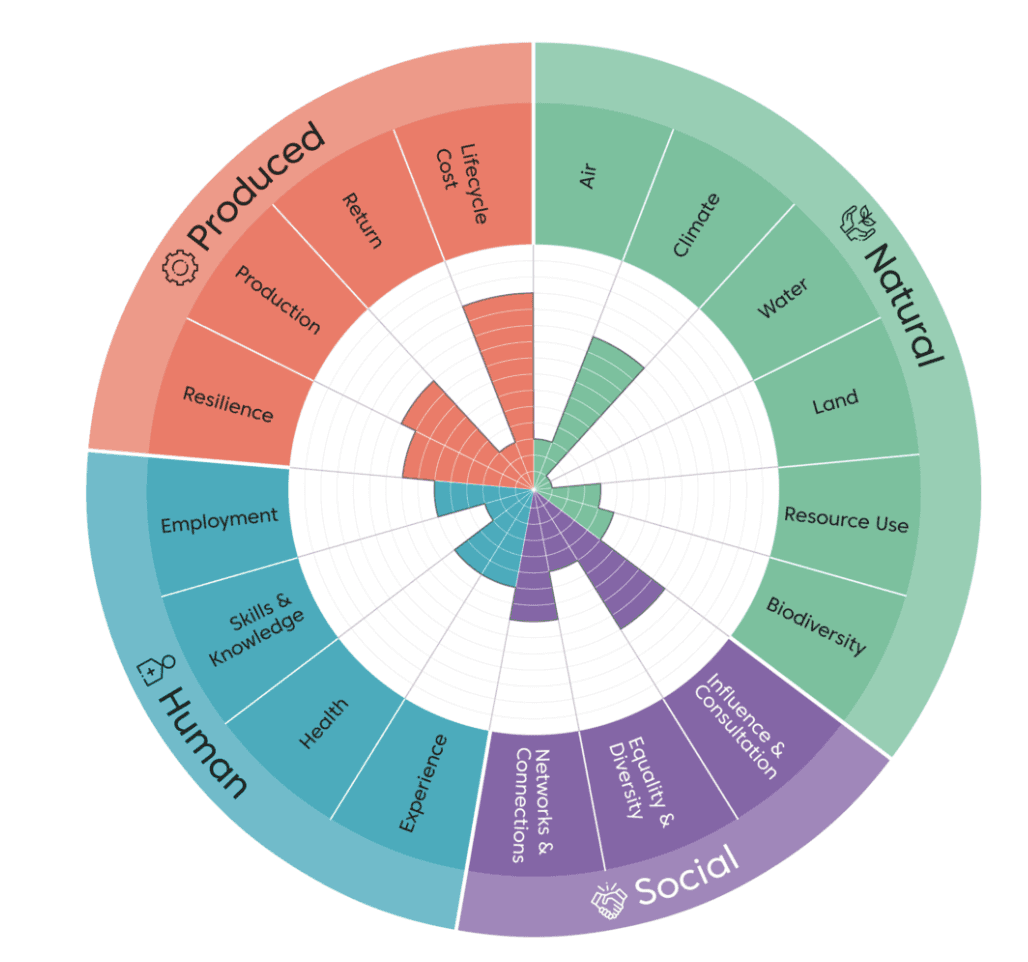
Data Output


Visibility on material contents
A database of toxic materials, but doesn't require us to be biochemist to understand it.
Full declaration of materials contents (eco-labelling, percentages, and quality)
Indoor air quality has two customers:
The painters and decorators: They are 70% more likely to get lung failure from breathing in toxins
The occupants: Looking into paints that have a full declaration of it's contents
Digital Output Opportunity
Client Brief Questionnaire
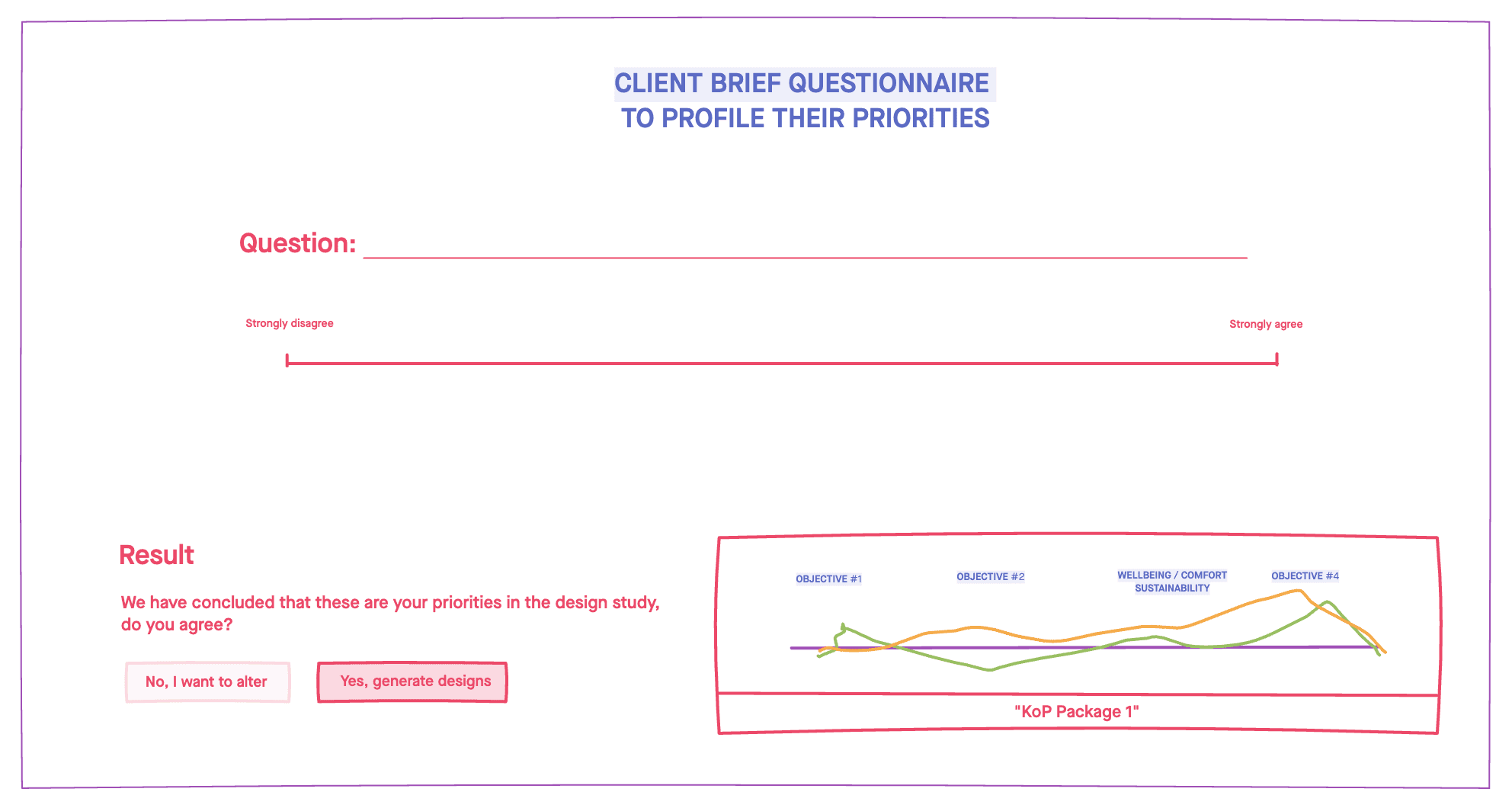
In order to build customer profiles, we'll be capturing data points such as: site location, client type, target price and desired performance levels (energy, wellbeing, technology, operations, material). The aim here is to produce relevant and targeted design options for their bespoke needs.
Designing Study Parameters
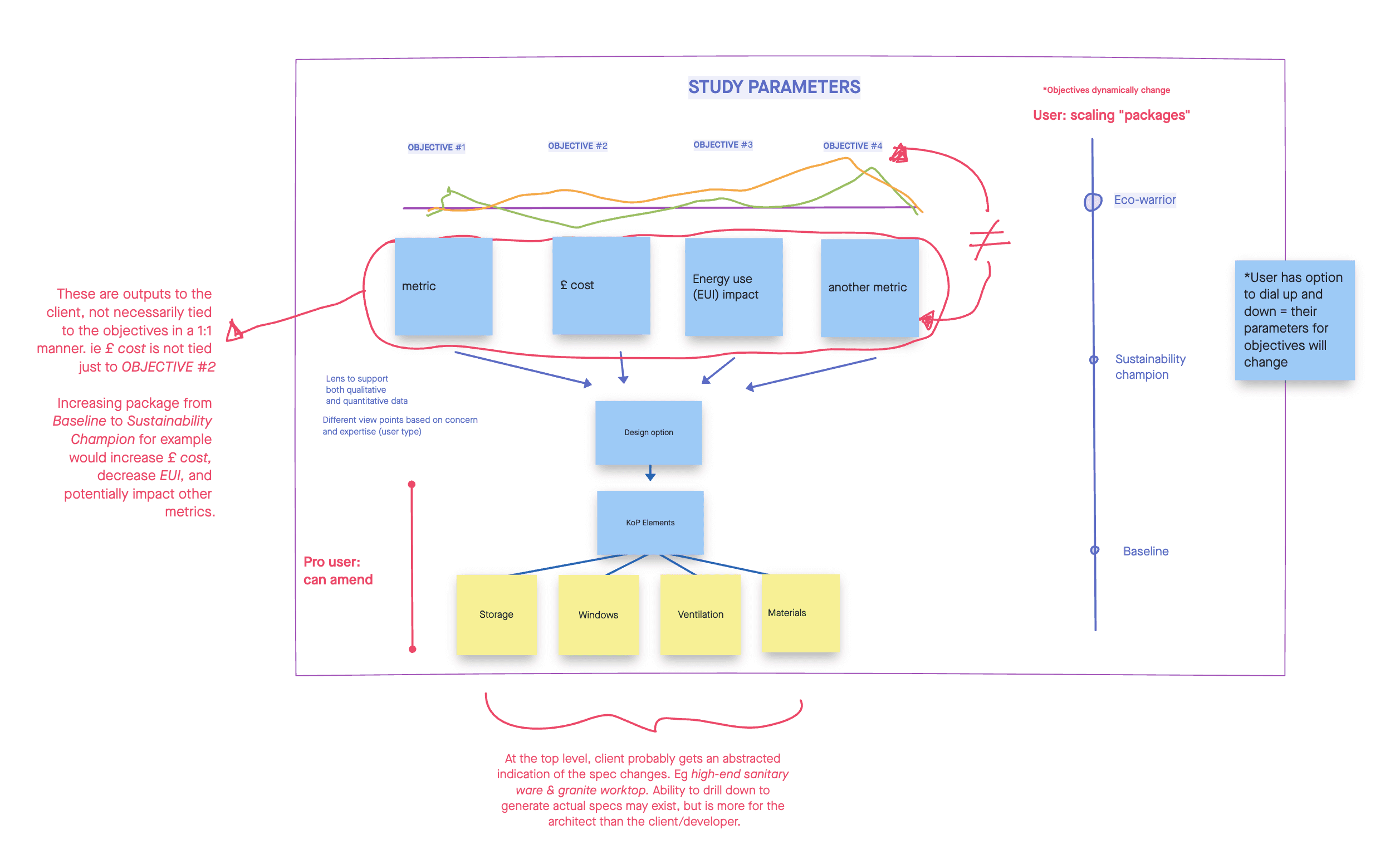
As a user conducts feasibility studies on sites with the TESSA tool, they have the option to dial up and down their sustainability objectives. The tier of sustainability will have a downstream effect on which KoP elements will be inherited in your build.
Testimonial
I had the pleasure of working with Emily on the Measuring Wellbeing project while at Modulous. This was a super-interesting project that she led from beginning to end. Emily is deeply engaged in her work and brings a considered, careful approach to every stage of the process. She consistently demonstrates strong critical thinking and a real sensitivity to both the subject matter and the people it affects.
What really sets Emily apart is her ability to stimulate dialogue and reflection. She asks provocative, thoughtful questions and introduces interesting vectors of thought that push projects in richer, more meaningful directions. Her project consistently expanded the breadth of the product and encouraged the whole team to think more deeply.
I would thoroughly recommend Emily to any prospective employer and would be very happy to work with her again in the future.