Enhancing Land Feasibility Assessment with Explore Table
UX DESIGN
UI DESIGN
Context
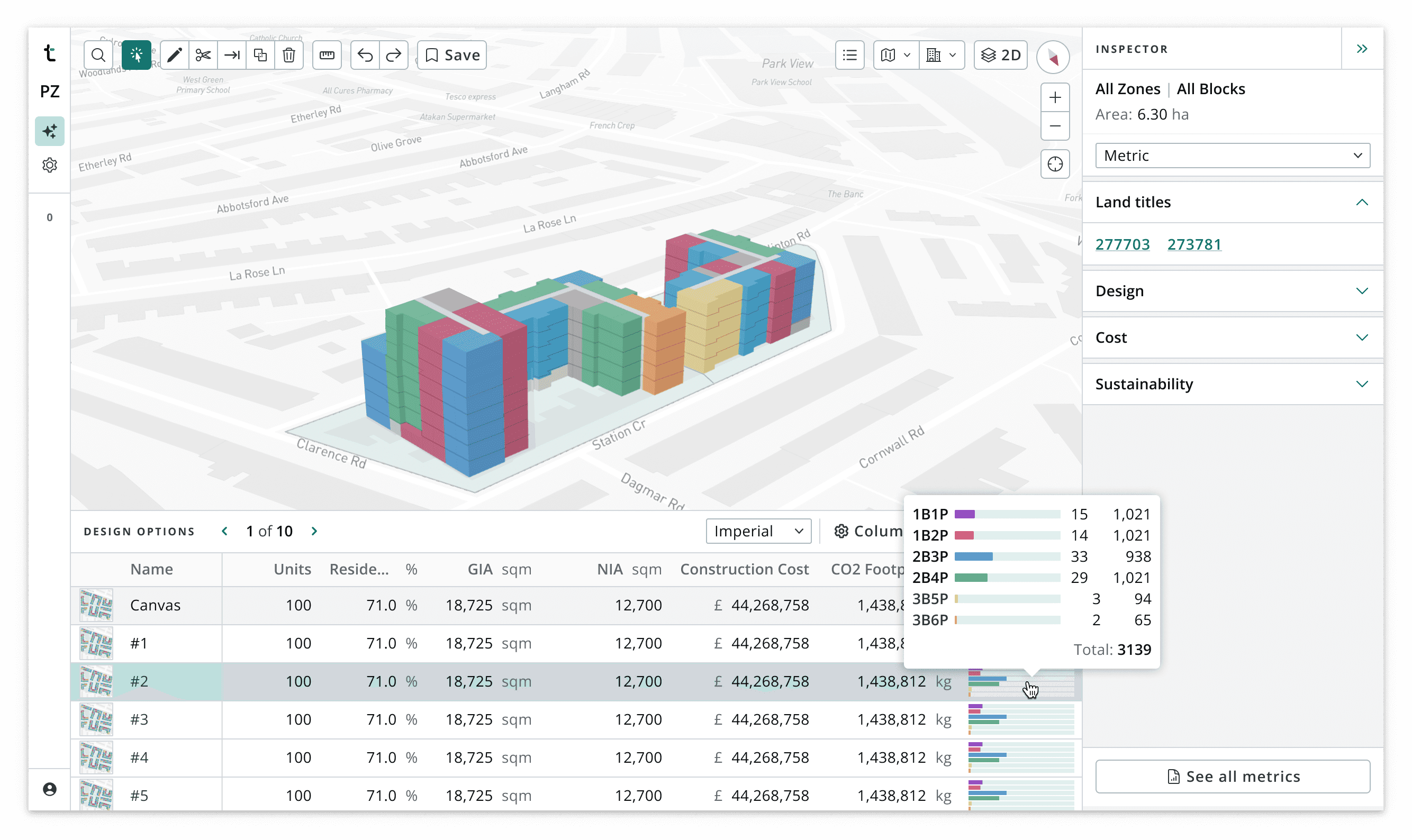
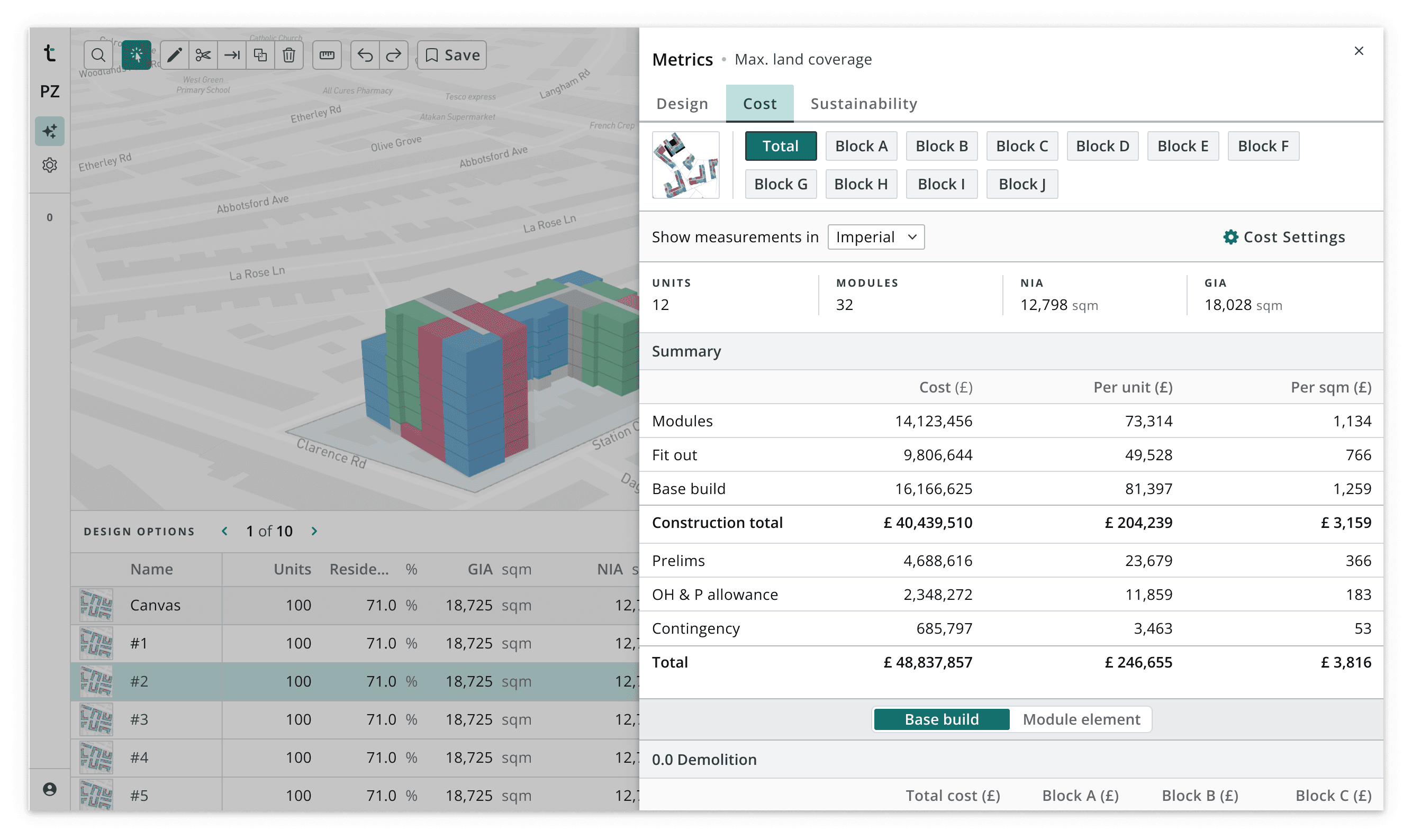
The explore table was the hero feature of the TESSA product. It is where users effectively decipher which design option is appropriate for their land. There are very sensitive variables that determine whether a design option is feasible - whether that's the ROI, construction cost, massing, C02 footprint, unit mix and other building attributes that help aid planning and building this proposed modular design.
MVP Analysis
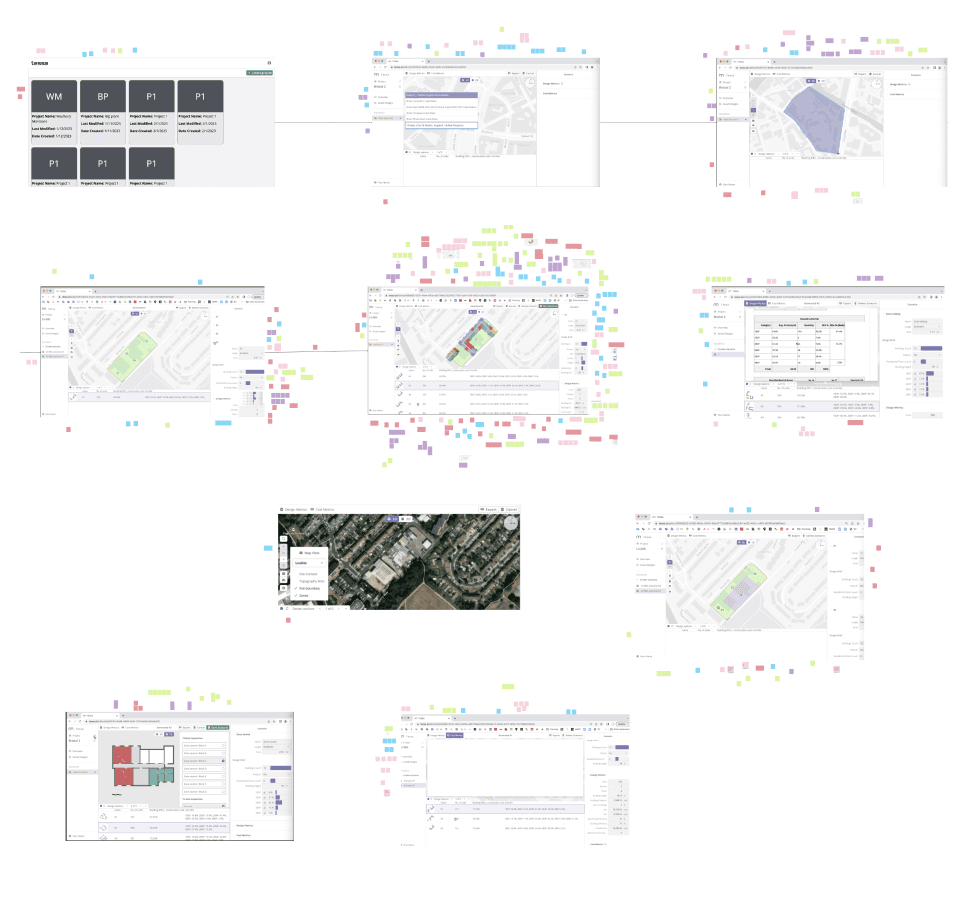
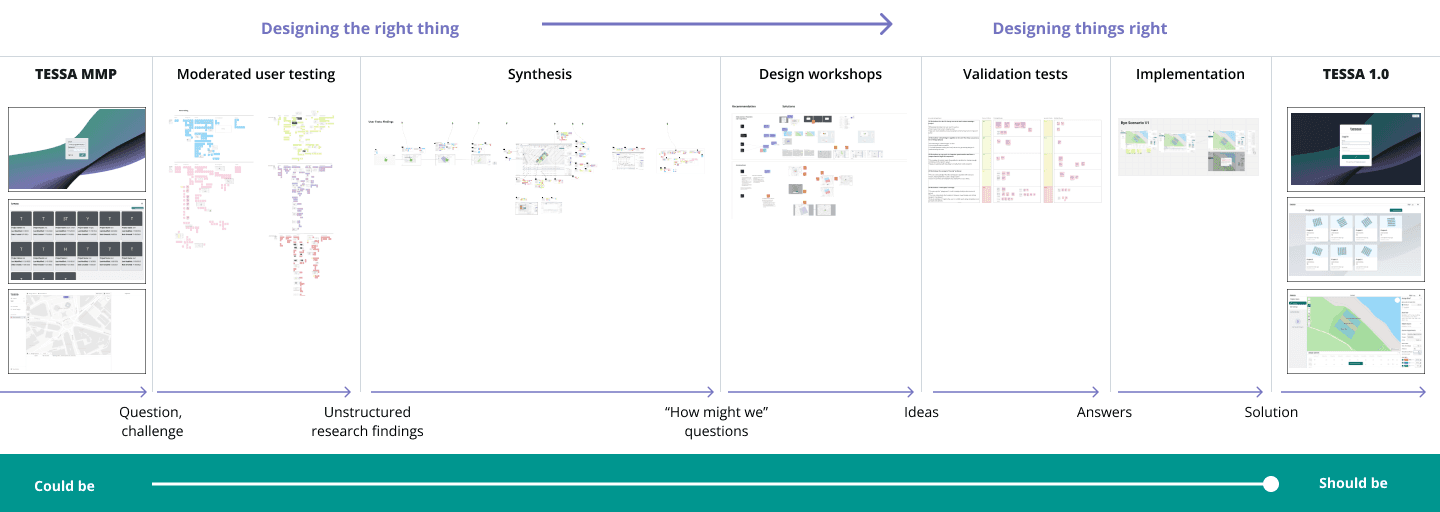
We conducted usability with 7 external users, from Property Developers to Architects. I made note of how they operated the Canvas of TESSA, how useful the current functions were and how they felt they were hindered getting tasks done. After synthesising notes, I conducted an internal kickoff meeting. This included recapping on our assumptions, user needs, constraints, dependancies and risks we foresee when we evolve the explore table.
Design time and technical reviews
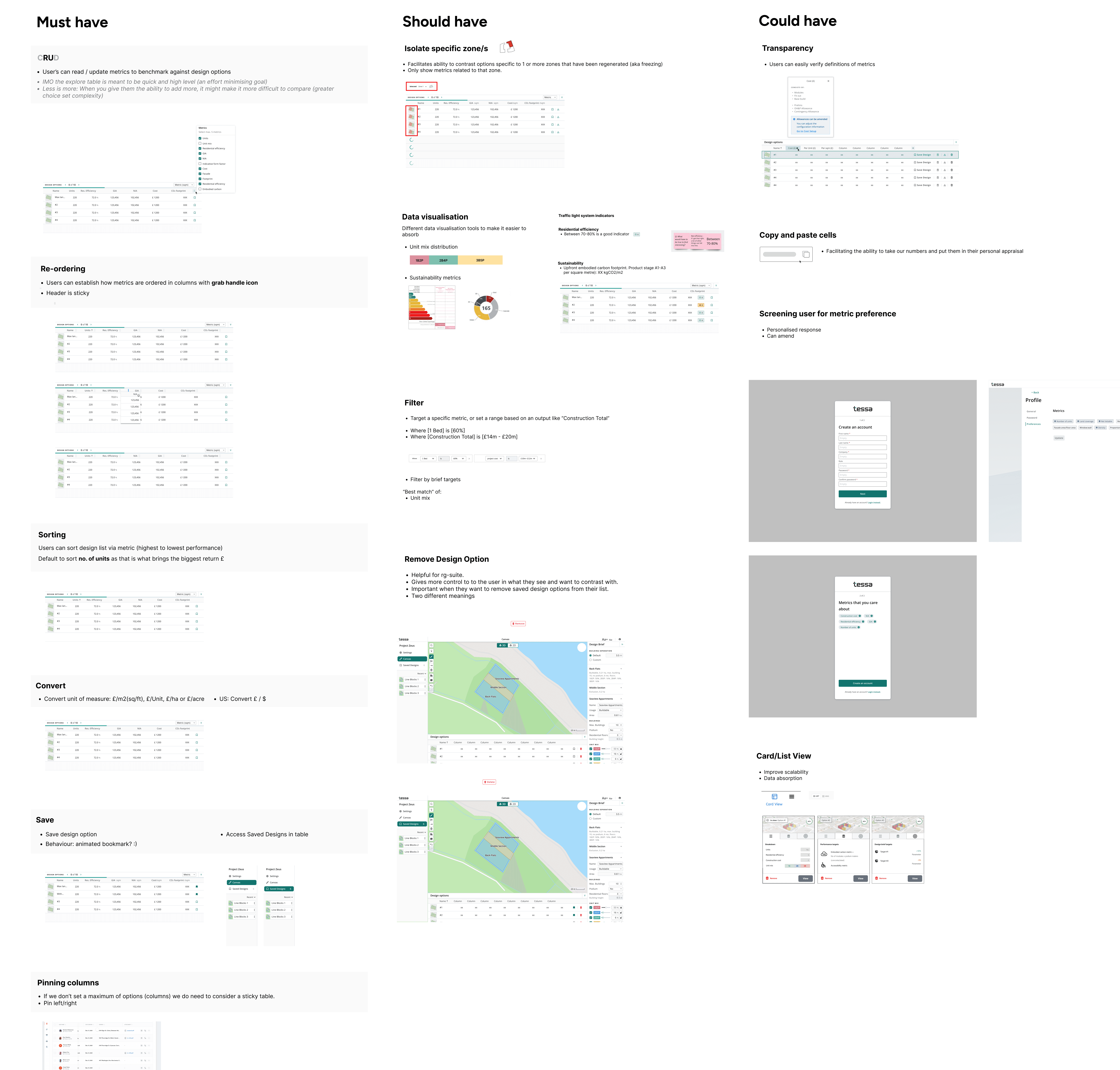
Here I localised what was important to the user and the business (how we can shape this in time for our Beta launch). It involved an MVP matrix of must have, should have and could have. Throughout the sprint, I produced different designs that varied in technical complexity. I workshopped several of those ideas with the frontend developers, to weigh up the cost (time), edge cases and how each of the components would effectively co-exist within the Canvas.
Design workshops and QA
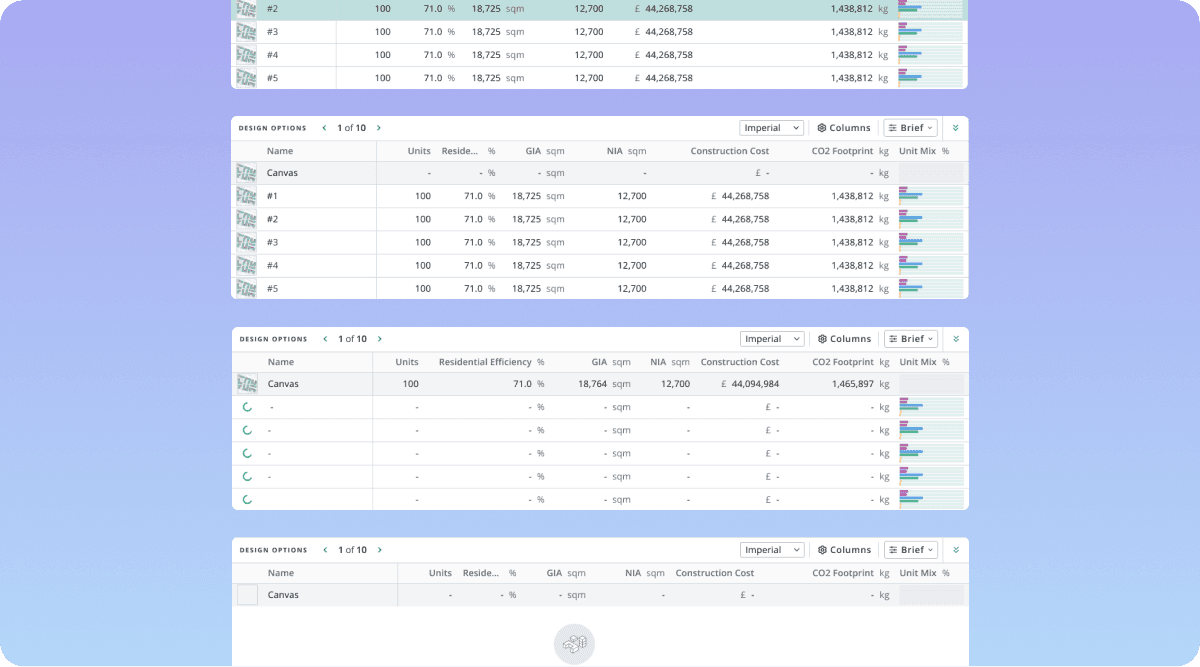
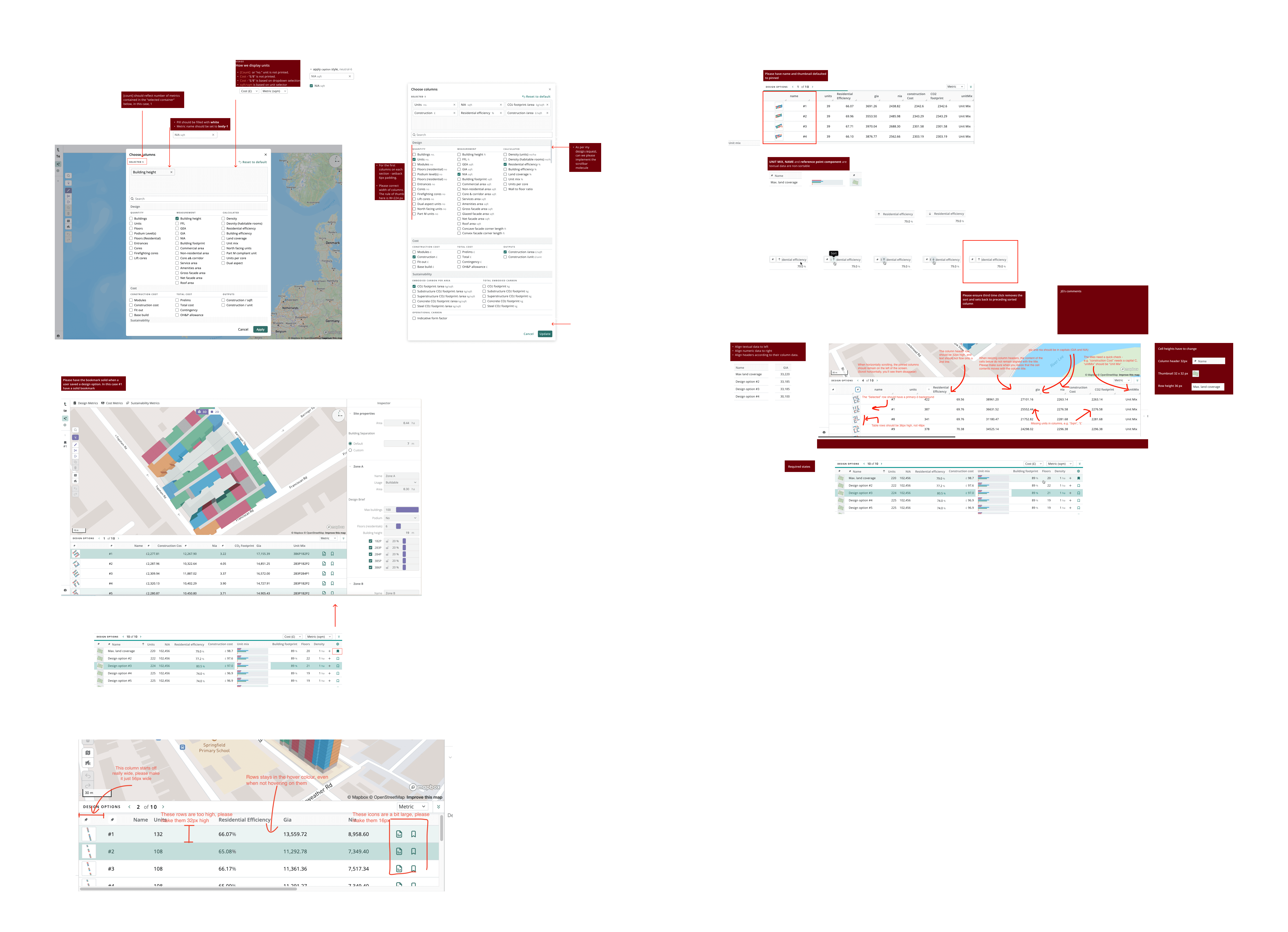
After producing a handoff file to the developers, they produced several rounds of pull-requests locally for me to review. I provided them with a QA (quality assessment) ticket in ClickUp and listed issues that i found wrong with the current state before they pushed to production.
Beta Release and Findings
After our launch we have had a number of users sign up to the platform. I now host a weekly session with our Product team to analyse user sessions in TESSA, with an aim to capture trends and generate new backlog items to improve the product.
Impact
100%
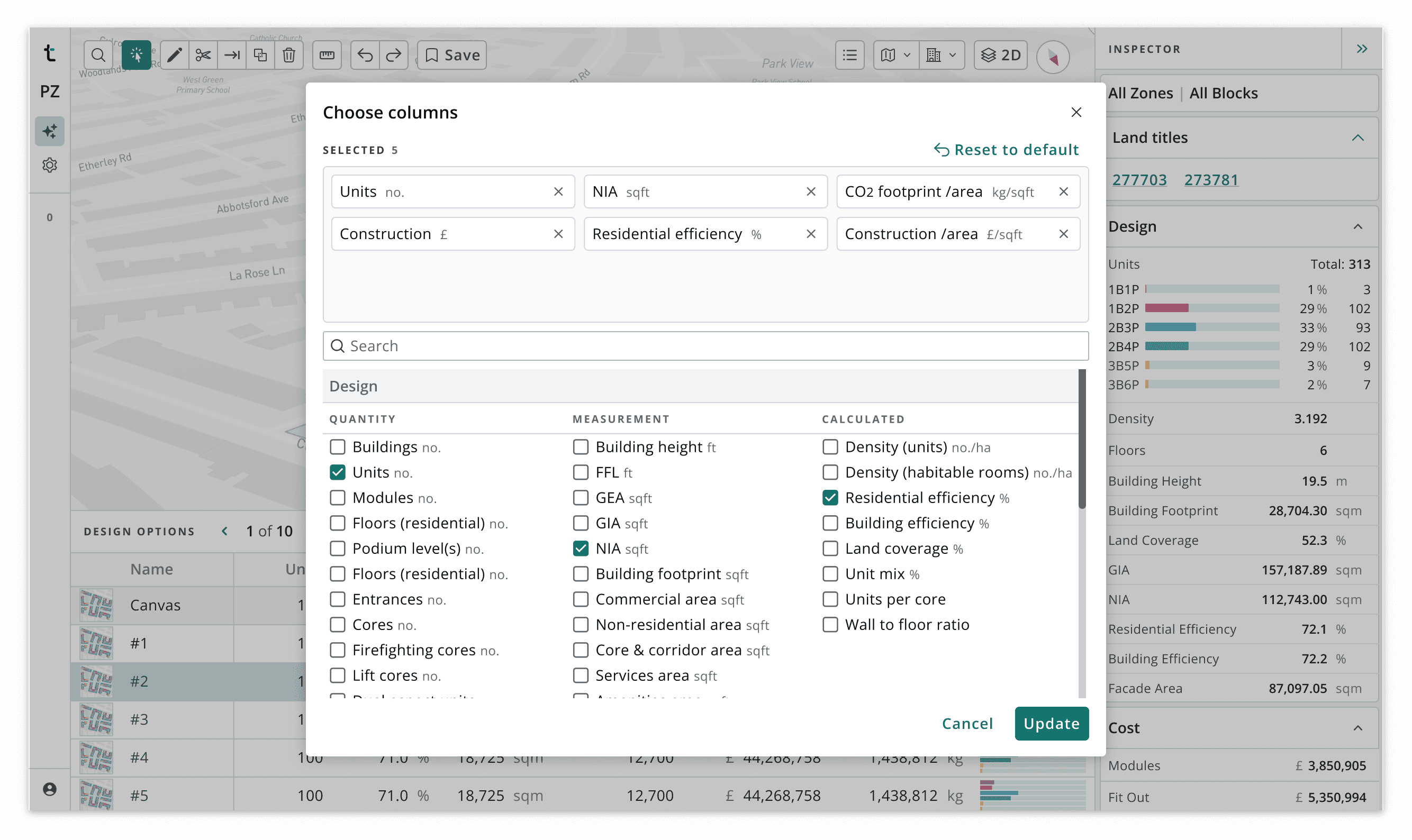
(7/7) Usability testers actively used the new custom column/sort feature to contrast metrics against their own priorities - previously fixed and uncustomisable
10 > 7mins
Avg. time to move from feasible design screening to detailed 2D plan view
32
Beta sign-ups from developers and architecture firms post-launch